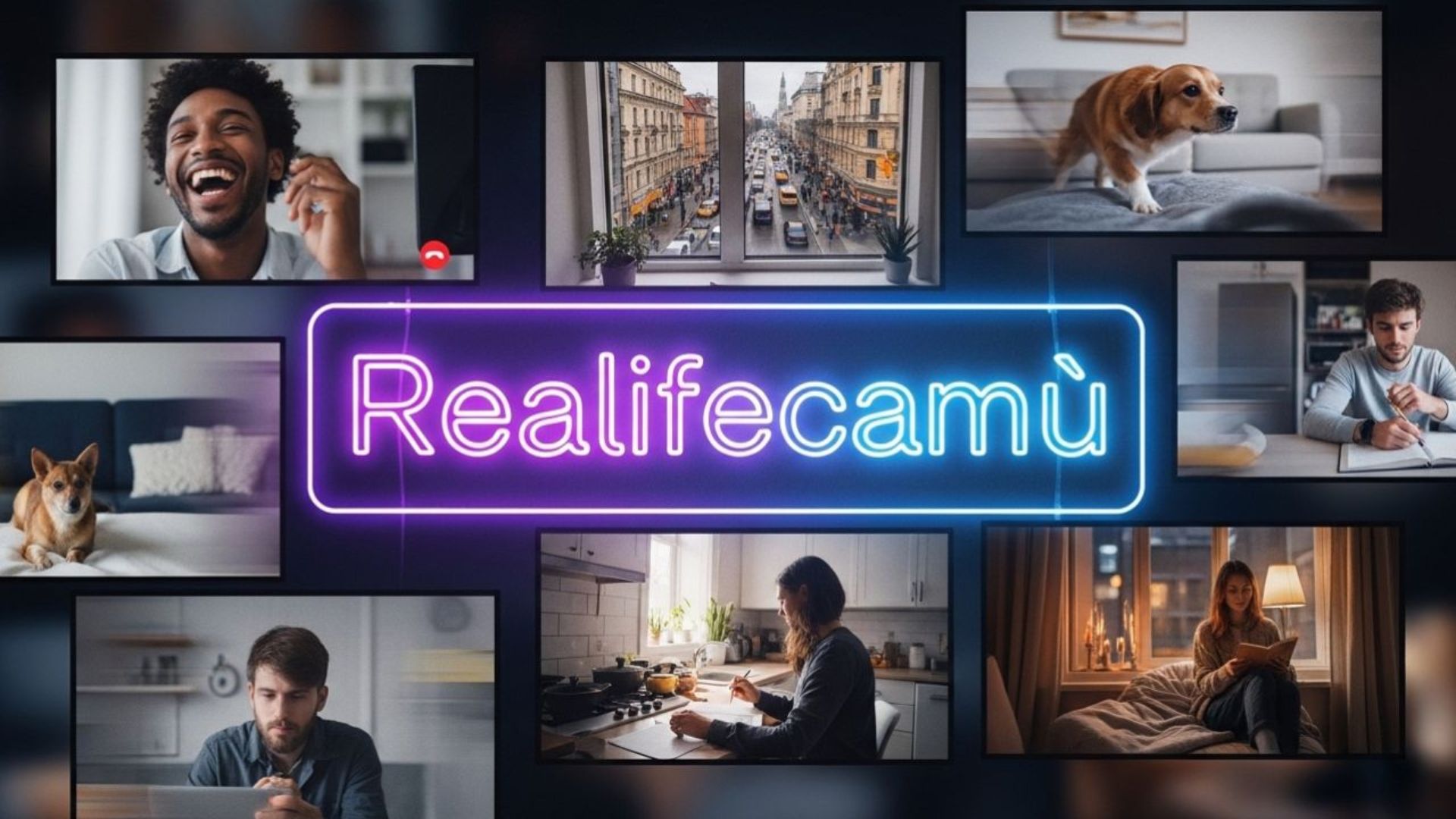
In today’s always-connected world, people are no longer just consuming content—they’re watching life unfold in real time. From live news feeds to casual social media broadcasts, the idea of observing real moments has become part of everyday digital culture. One platform that often sparks curiosity, debate, and discussion is realifecamù.
But what exactly does it represent? Why does it attract attention from such a wide audience? And what does it say about us as viewers in the modern age? Let’s walk through this topic together, step by step, in plain language, without hype or confusion.
Understanding the Concept of Live Reality Platforms
At its core, platforms like this focus on real-time observation. Instead of scripted shows or edited clips, viewers see events as they naturally happen. Think of it like looking through a window rather than watching a movie.
This format appeals to people because it feels honest and unscripted. There are no retakes, no background music, and no dramatic cuts—just daily life playing out moment by moment.
Why does that matter? Because in a world full of filters and polished images, raw reality feels refreshing to many.
The Human Curiosity Behind Watching Real Life
Have you ever people-watched at a café or looked out a window during a long train ride? That quiet curiosity is deeply human. Live reality platforms simply move that experience online.
People are drawn to:
- Authentic behavior
- Unpredictable moments
- The feeling of connection without direct interaction
It’s similar to standing by a river. You’re not controlling the water, just watching it flow. That sense of calm observation is surprisingly powerful.
How Digital Reality Streaming Works
Behind the scenes, the technology is more advanced than it looks. Continuous streaming requires stable cameras, reliable internet connections, and systems that manage multiple video feeds at once.
Key technical elements include:
- Fixed and mobile cameras
- Real-time data transmission
- User interfaces that allow camera switching
- Content moderation systems
Even though the viewer experience feels simple, a lot is happening in the background to keep streams smooth and accessible.
Privacy in a World of Open Cameras
One of the biggest conversations around live reality platforms is privacy. When real people are being recorded, questions naturally arise.
Who is being filmed?
Do they know they are on camera?
How is consent handled?
These platforms usually operate under specific agreements and legal frameworks. Participants are informed, and access is controlled. Still, the topic reminds us how important boundaries are in digital spaces.
Privacy today is like a glass wall—you can see through it, but it still needs to be strong enough to protect what’s inside.
Ethical Considerations and Viewer Responsibility
Watching real life comes with responsibility. Just because something is accessible doesn’t mean it should be misused or misunderstood.
Ethical viewing involves:
- Respecting human dignity
- Avoiding harmful assumptions
- Understanding cultural differences
When viewers approach content thoughtfully, platforms become spaces for awareness rather than judgment.
The Role of Consent and Transparency
Consent isn’t just a legal checkbox—it’s a trust agreement. Participants agree to be part of a live environment, and viewers agree to respect that openness.
Transparency helps build that trust. Clear explanations, visible guidelines, and defined boundaries make the experience safer for everyone involved.
Without consent, live content becomes surveillance. With it, it becomes shared reality.
Why These Platforms Spark Controversy
It’s no secret that live reality platforms often sit at the center of debate. Some people see them as fascinating social experiments. Others worry about exploitation or misuse.
Controversy usually comes from:
- Misunderstanding how platforms operate
- Cultural differences in comfort levels
- Concerns about digital exposure
Healthy discussion helps society decide how technology should evolve rather than letting it grow without direction.
Cultural Impact of Always-On Observation
We live in an age where cameras are everywhere—phones, streets, homes, and workplaces. Platforms like this reflect that broader shift.
They challenge us to ask:
- What does privacy mean today?
- How much of life should be shared?
- Are we becoming observers instead of participants?
In many ways, live reality streaming is a mirror. It doesn’t create behavior—it reflects it.
The Psychology of Watching Without Interaction
Interestingly, viewers often don’t want to interact. They simply want to watch. This passive engagement reduces pressure and emotional demand.
Psychologists suggest this kind of observation can:
- Reduce loneliness
- Provide comfort through routine
- Offer a sense of presence
It’s like listening to rain outside your window. You’re not part of it, but it still affects how you feel.
Legal Frameworks and Platform Accountability
Operating such platforms requires compliance with regional laws, broadcasting rules, and digital safety standards. Regulations vary by country, but accountability is a shared responsibility.
Strong legal structures help:
- Protect participants
- Guide platform behavior
- Build public trust
Without regulation, innovation can easily cross ethical lines.
The Future of Live Digital Reality
As technology improves, live reality platforms will likely become more immersive. Better cameras, smarter moderation, and clearer user controls are already shaping what comes next.
Future developments may include:
- Enhanced privacy tools
- Viewer education features
- Stronger ethical standards
The goal isn’t more exposure—it’s better balance.
Final Thoughts: What This Trend Tells Us About Society
Live reality platforms like realifecamù aren’t just about watching others. They reveal how society relates to transparency, curiosity, and connection in the digital age.
They remind us that technology doesn’t change human nature—it amplifies it. How we use these tools says more about us than the platforms themselves.
As viewers, we have a choice: to watch responsibly, think critically, and respect the real lives behind the screens.
Frequently Asked Questions
What is the main purpose of live reality platforms?
They allow people to observe real-life moments in real time without scripted content.
Are participants aware they are being recorded?
Yes, participation typically involves consent and clear agreements.
Why do people enjoy watching everyday activities?
Because it feels authentic, calming, and relatable compared to polished media.
Do these platforms raise privacy concerns?
They do, which is why consent, transparency, and regulation are essential.
Will live reality streaming continue to grow?
Yes, but growth will likely focus on ethical design and user responsibility rather than scale alone.
If you’d like this article adapted for a blog, news site, or SEO-focused publication—or want a different tone such as academic or casual—just let me know.